How does psychology influence decision-making in gambling
The Role of Cognitive Biases
Cognitive biases play a significant role in gambling decisions, often leading players to make irrational choices. For example, the illusion of control can cause gamblers to believe they can influence the outcome of random games, such as slot machines or roulette. This belief can lead to overconfidence, prompting individuals to place larger bets than they can afford, underestimating the inherent risks involved. Engaging with online platforms, like australian casino online, can also introduce new strategies that may further obscure judgment.
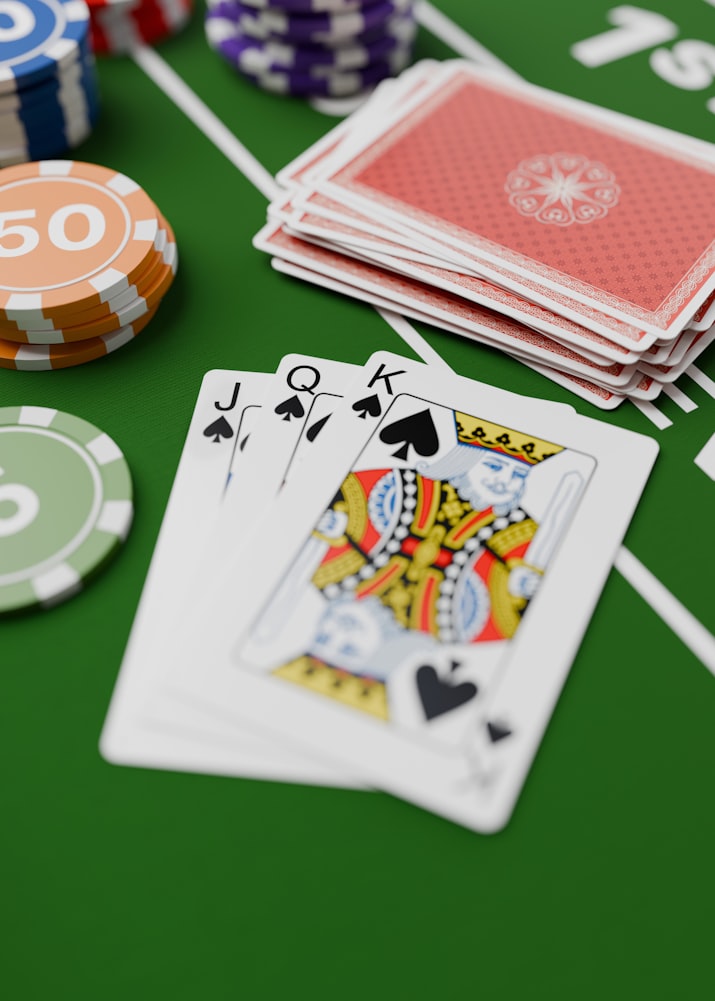
Additionally, the gambler’s fallacy can mislead players into thinking that past outcomes affect future results. For instance, if a coin has landed on heads multiple times in a row, a gambler may believe that tails is “due” to occur next. This fallacy highlights how psychological factors can skew decision-making, leading to misguided strategies that result in financial losses.
The Impact of Emotions
Emotions play a crucial role in gambling behavior, often overshadowing logical reasoning. Gamblers may experience excitement or anxiety that influences their betting choices. For example, a win can trigger a rush of adrenaline that drives players to continue betting, sometimes leading them to chase losses in an attempt to regain what they have lost.
Conversely, fear and frustration can also affect decision-making. Players who are losing may resort to desperate measures, such as increasing their bets or playing more frequently, in hopes of turning their luck around. Understanding how emotions shape gambling behavior can provide insight into why many individuals struggle with responsible gambling practices.
The Social Influence on Gambling Choices
Social factors are another vital component in gambling decision-making. Peer pressure and social validation can lead individuals to gamble more than they initially intended. For instance, in group settings, people may feel compelled to participate in gambling activities, driven by the desire to fit in or gain approval from their peers.
Moreover, social interactions can reinforce certain gambling behaviors, creating a cycle where individuals continue to gamble due to group dynamics. The presence of friends or family members can significantly alter a person’s perception of risk and reward, ultimately shaping their gambling choices in profound ways.
The Use of Marketing and Advertising
Marketing strategies employed by casinos and online gambling platforms are designed to tap into psychological triggers that influence decision-making. Promotions, bonuses, and advertisements often exploit cognitive biases, making gambling seem more appealing. These marketing techniques create a sense of urgency or fear of missing out, compelling individuals to act quickly.
Furthermore, visually stimulating environments in casinos, characterized by bright lights and sounds, are deliberately designed to enhance the gambling experience. This sensory overload can distract players from rational thinking, leading them to make impulsive decisions that prioritize immediate gratification over long-term consequences.

Insight into the Tachyon Project
The Tachyon Project focuses on delivering innovative solutions and insights, with an emphasis on enhancing technology-related experiences. Although it is currently facing technical challenges, the platform aims to provide valuable resources for users seeking to understand complex subjects, including the psychological aspects of decision-making in areas like gambling.
Visitors can look forward to an engaging community and insightful updates that promise to enhance their understanding of the interplay between psychology and decision-making. As the Tachyon Project evolves, it remains committed to offering cutting-edge information to help individuals navigate the complexities of technology and behavior.