
Mostly, companies pay dividends to their shareholders annually, after the end of each accounting period. However, some companies also pay their shareholders quarterly, while some other pay dividends semi-annually. For shareholders to be eligible for payment at the time the company pays dividends, they must hold the shares of the company before the ex-dividend date. Dividend Reinvestment Plans, or DRIPs, allow investors https://www.bookstime.com/ to automatically reinvest their dividend payments back into additional shares of the stock or fund. This reinvestment accelerates the compounding effect, potentially leading to significantly increased returns over the long term. If you are interested in investing for dividends, you will want to specifically choose dividend stocks.
AccountingTools
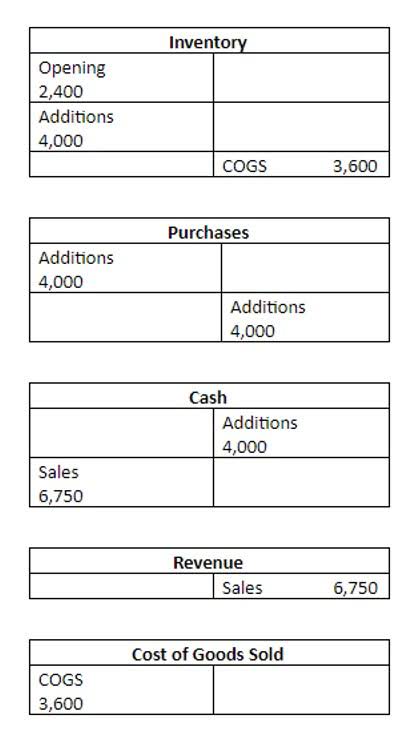
Under the stable dividend policy, companies consistently pay a dividend each year regardless of earnings fluctuations. The dividend payout amount is typically determined through what kind of account is dividends forecasting long-term earnings and calculating a percentage of earnings to be paid out. When a business declares a dividend, it is saying that it is going to distribute some of its equity to its shareholders in the form of either cash or some other asset. As such, retained earnings is the equity account that gets impacted in the process.
Get in Touch With a Financial Advisor

These regular, set payments mean that preferred stocks function similar to bonds. Both private and public companies pay dividends, but not all companies offer them and no laws require them to pay their shareholders dividends. If a company chooses to pay dividends, they may be distributed monthly, quarterly or annually.
- Stock dividends can be advantageous for companies that wish to reward shareholders without depleting cash reserves.
- Investors also prefer a stable policy for dividends as it is not volatile and can help them predict their returns.
- The term “dividend” is often used by credit unions, whereas banks might refer to similar accounts as interest-bearing or high-yield checking accounts.
- Suppose a business had declared a dividend on the dividend declaration date of 0.60 per share on 150,000 shares.
- Some companies may reinvest their profits back into the business instead of paying them out to shareholders.
- All other dividends are considered nonqualified and are subject to standard income tax rates.
Double Entry Bookkeeping
- The articles and research support materials available on this site are educational and are not intended to be investment or tax advice.
- ETFs hold assets such as stocks, commodities, or bonds and generally operate with an arbitrage mechanism designed to keep it trading close to its net asset value.
- Miranda is completing her MBA and lives in Idaho, where she enjoys spending time with her son playing board games, travel and the outdoors.
- A dividend is a payment of a share of the profits of a corporation to its shareholders.
- As for the credit, the most common would be cash because that is the most common asset used for dividends.
Paying out dividends can signal to investors that a company is doing well financially. This can cause the stock to rise in value due to https://www.facebook.com/BooksTimeInc/ increased investor interest and demand. If a company has a long history of paying out dividends, reducing or eliminating it can be a red flag to investors. When a company earns a profit, it can either reinvest the funds into the business or distribute a portion of it to shareholders as dividends. A company’s board of directors can reduce or completely eliminate a dividend payout based on other uses for the money or company performance. Dividends are unlike bonds, which pay a steady income or risk going into default.
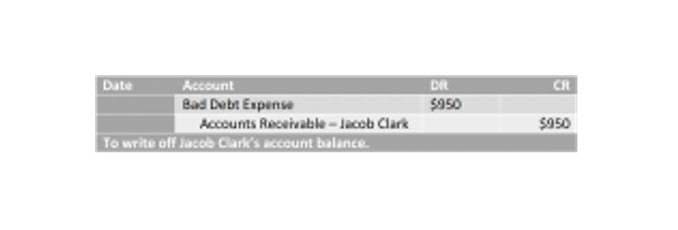
Example of Dividends Payable
This policy determines the frequency, amount, and type of dividends distributed to shareholders. Companies with stable and predictable earnings often adopt a consistent dividend policy, providing regular payouts to attract income-focused investors. This approach signals financial stability and can enhance investor confidence, potentially leading to a higher stock valuation.
- Think of slower-growing sectors such as industrials, energy, and consumer staples.
- This entry effectively reduces the company’s cash balance, as the funds are transferred to the shareholders, and eliminates the liability that was previously recorded.
- Or, they can sell the additional shares immediately, pocket the cash, and still retain the same number of shares they had before.
- For example, if the interest rate is 2% and your account balance is $5,000, you would earn $100 in dividends over the course of a year.
Funds employ the principle of net asset value (NAV), which reflects the valuation of their holdings or the price of the assets that a fund has in its portfolio. All of the other options retain the earnings for use within the business, and such investments and funding activities constitute retained earnings. In many countries, the tax rate on dividend income is lower than for other forms of income to compensate for tax paid at the corporate level. Property dividends or dividends in specie (Latin for “in kind”) are those paid out in the form of assets from the issuing corporation or another corporation, such as a subsidiary corporation.

Why Does Company Need to Distribute Dividend?
- The retained earnings are calculated by adding net income to (or subtracting net losses from) the previous term’s retained earnings and then subtracting any net dividend(s) paid to the shareholders.
- In this case, the journal entry transfers the par value of the issued shares from retained earnings to paid-in capital.
- Listed below are some websites to assist you in beginning your research process.
- Keeping tabs on a company’s DPS allows an investor to see which companies are able to grow their dividends over time.
- By leveraging this knowledge, you can potentially boost your savings and make your money work harder for you.
Investors need to know if the tax break will continue due to the significant disparity. Companies pay out their dividends in different ways depending on their business model or board of directors’ decision. You are in good shape if you get a high yield (above 5%) and the payout ratio is low.